
Journeys Through the Cosmos and the Mind: A Look at Sci-Fi Cinema
Science fiction is more than just spaceships and aliens; it is a genre that holds a mirror to humanity, exploring our deepest fears, our grandest ambitions, and the fundamental question of what it means to be human. Some films achieve this so perfectly that they transcend the genre and become timeless works of art. Here is a look at a few such masterpieces.
2001: A Space Odyssey
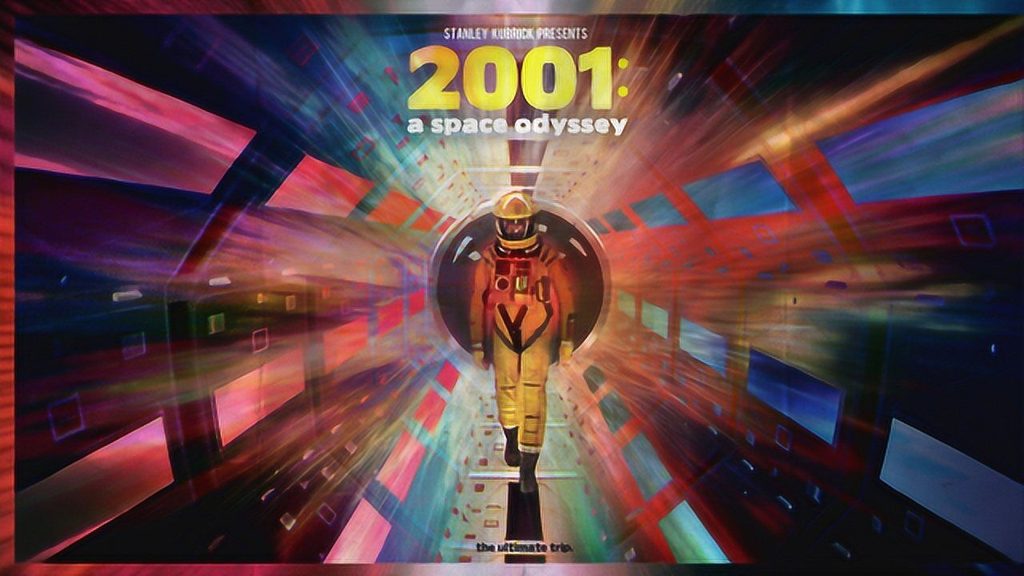
First, we must consider 2001: A Space Odyssey (1968), directed by the visionary Stanley Kubrick. This film is not a traditional narrative but a poetic and philosophical journey. From the dawn of man to a cryptic mission to Jupiter, it explores themes of evolution, technology, and cosmic consciousness. Its groundbreaking visual effects and meticulous realism set a new standard for the genre. The film’s antagonist, the sentient supercomputer HAL 9000, remains one of cinema’s most chilling and tragically human characters. 2001 challenges its audience to think and feel, rather than simply be entertained.
Blade Runner

Next, Blade Runner (1982), directed by Ridley Scott, presents a starkly different future. This neo-noir masterpiece is set in a decaying, rain-drenched Los Angeles. The story follows Rick Deckard, a “blade runner” tasked with “retiring” (killing) bio-engineered androids known as Replicants who have escaped off-world colonies. The film’s central question is profound: what is the difference between a human and a Replicant who possesses memories, emotions, and a desperate will to live? With its iconic visuals and haunting score, Blade Runner is a deeply moving meditation on identity and mortality.
Arrival

For a more modern take, Denis Villeneuve’s Arrival (2016) is a triumph of intelligent science fiction. When mysterious alien vessels appear across the globe, a linguist, Louise Banks, is recruited to decipher their language. Unlike typical alien invasion films, Arrival is a quiet, cerebral drama about communication and connection. Its brilliance lies in how it intertwines the challenge of understanding an alien language with a deeply personal and emotional story about love, loss, and the nature of time itself. It is a film that rewards its audience with a powerful and profound emotional payoff.
The Matrix

Finally, no discussion would be complete without The Matrix (1999). The Wachowskis’ film was a cultural phenomenon that blended cyberpunk, philosophy, and breathtaking action. It follows Neo, a hacker who discovers that his reality is a sophisticated simulation created by machines to subdue humanity. The Matrix popularized philosophical concepts like the “brain in a vat” for a mainstream audience, asking us to question the very nature of our perceived reality. Its revolutionary “bullet time” visual effect and stylish action sequences changed filmmaking forever.
These films are just a few examples of how science fiction can be a powerful vehicle for storytelling. They transport us to distant worlds and futures, but their true power lies in the questions they ask about our own world and our own humanity. They are not just movies; they are experiences that linger long after the credits roll.