A VPN is no longer just a tool for people who want to change their IP address. Today, many people use VPNs when connecting to public Wi-Fi, traveling, working remotely, protecting their online privacy, or simply adding another layer of security to everyday browsing.
But choosing a VPN can be surprisingly difficult. Almost every provider claims to be fast, secure, private, and easy to use.
Instead of looking for a single “best” VPN, I think it makes more sense to choose one based on how you actually plan to use it.
Here are five VPN services worth considering in 2026.
1. NordVPN — A Well-Rounded VPN for Everyday Use
NordVPN is one of the most established names in the VPN market and offers a broad range of privacy and security features.
Its service includes a no-logs policy that has undergone multiple independent assessments, as well as a kill switch, DNS leak protection, and NordLynx based on WireGuard. It also offers additional features for blocking malicious websites and monitoring personal information.
What I like about NordVPN is that it doesn’t require you to understand much about VPN technology before using it. The interface is relatively straightforward, while more advanced options are available for users who want them.
Best suited for: everyday browsing, public Wi-Fi, streaming, travel, and users who want a feature-rich VPN.
2. Surfshark — A Convenient Choice for Multiple Devices
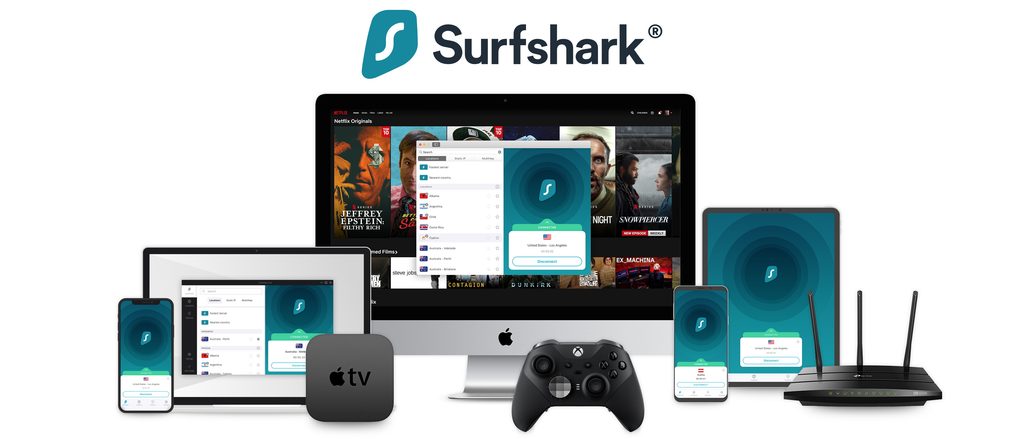
If you have a lot of devices at home, Surfshark is worth looking at.
One of its most useful features is support for unlimited simultaneous connections, allowing a single subscription to cover multiple devices. Surfshark supports major platforms including Windows, macOS, Linux, Android, iOS, Apple TV, Fire TV, and more.
It also offers features such as MultiHop, obfuscated servers, and split tunneling.
For someone who uses a laptop, desktop, smartphone, tablet, and smart TV, the ability to connect many devices without constantly managing a device limit is genuinely convenient.
Best suited for: households, multiple devices, and users looking for a feature-rich VPN at a competitive price.
3. Proton VPN — A Strong Privacy-Focused Option

Proton VPN is particularly interesting for users who care about privacy and transparency.
Its apps are open source and independently audited, and Proton states that it does not keep activity logs. The company is based in Switzerland and also offers Proton VPN Free, which provides unlimited bandwidth without advertising.
The free plan supports one device and has fewer features than the paid plans, but it is still unusual to find a free VPN offering unlimited data without advertisements.
For people who don’t need a VPN every day, starting with the free version can make sense.
Best suited for: privacy-conscious users, beginners, and people who want a reputable free VPN option.
4. ExpressVPN — Simple and Easy to Use

ExpressVPN focuses heavily on making the VPN experience simple.
Its proprietary Lightway protocol is designed for speed and connection stability, while the service also uses RAM-only TrustedServer technology and publishes information about independent audits of its no-logs practices.
Another advantage is its broad device support. ExpressVPN currently lists apps for Windows, Mac, iOS, Android, Linux, Android TV, Apple TV, and browser extensions, with support for up to 14 simultaneous connections.
The main thing to consider is price. Long-term promotions can make it more competitive, but monthly pricing is generally higher than some alternatives.
Best suited for: beginners, travelers, and users who prefer a simple VPN application.
5. Mullvad — For People Who Put Privacy First

Mullvad takes a noticeably different approach from the large mainstream VPN brands.
The company says it does not keep activity logs and uses numbered accounts rather than requiring the traditional username/email-based account structure.
Its pricing model is also unusually simple: €5 per month, whether you pay for one month or a longer period. There is no need to commit to a discounted multi-year subscription to get the standard monthly rate.
Mullvad doesn’t try to fill its service with endless extras. Its appeal is mainly its straightforward pricing and strong privacy-oriented approach.
Best suited for: privacy-focused users, technically minded users, and people who prefer simple monthly pricing.
Which VPN Should You Choose?
Rather than asking which VPN is the best overall, I think a better question is what do you actually need from a VPN?
For an all-around feature set: NordVPN
For lots of devices: Surfshark
For privacy and a free option: Proton VPN
For simplicity and ease of use: ExpressVPN
For a privacy-first approach and straightforward monthly pricing: Mullvad
Recent 2026 comparisons also highlight these services for different combinations of speed, privacy, streaming performance, device support, and pricing, which is why choosing according to your own requirements is more useful than treating VPNs as interchangeable products.

Final Thoughts
A VPN is not a magic privacy button, and choosing one shouldn’t be based purely on claims about being the “fastest” or “most secure.”
For me, the more useful things to look at are privacy policies, independent audits, available security features, device support, connection performance, and the actual price after any introductory promotion.
The five VPNs above take slightly different approaches, so there is room to choose based on what matters most to you.
And before subscribing, always check the current price, renewal terms, supported devices, and refund policy. VPN promotions can change frequently.
Related Articles
For more software and digital-life guides, check out my other Software and Digital Life articles on Pixel & Byte.
《5 VPN Services Worth Considering in 2026: Find the Right VPN for You》有2条评论