
Romance is one of cinema’s most enduring genres. At its best, it does more than show two attractive people falling in love. It captures longing, timing, memory, sacrifice, and the quiet ways people change each other. The following five films offer different visions of love, yet each lingers long after the credits roll.
Casablanca

Casablanca (1942) is the classic against which many romances are measured. In wartime Morocco, Rick Blaine, a cynical American expatriate, reunites with Ilsa, the woman who once left him. Their love is undeniable, but so is the larger fight against fascism. The film’s famous line, “We’ll always have Paris,” is not just nostalgia; it is a recognition that some loves are defined by what people are willing to give up. Casablanca turns romance into sacrifice, and that is why it still hurts so beautifully.
Before Sunrise

Before Sunrise (1995) takes a simpler but equally powerful approach. American tourist Jesse and French student Céline meet on a train and decide to spend one night walking and talking in Vienna. There is no grand plot, only conversation, curiosity, and the thrill of connection. Richard Linklater’s film understands that intimacy is built through words, glances, and shared time. Its bittersweet ending reminds us that love is often inseparable from timing. What makes it unforgettable is how real it feels.
In the Mood for Love

In the Mood for Love (2000), directed by Wong Kar-wai, is a masterpiece of restraint. In 1960s Hong Kong, two neighbors, Chow and Su, discover their spouses are having an affair. As they spend time together, they develop a deep, unspoken love. Yet social norms and personal honor keep them apart. The film is lush with color, music, and longing. It proves that the most powerful love stories are sometimes the ones that never fully happen.
Eternal Sunshine of the Spotless Mind

Eternal Sunshine of the Spotless Mind (2004) asks a daring question: if you could erase a painful relationship from your memory, would you? Joel and Clementine undergo a procedure to forget each other, but as Joel revisits their memories, he realizes he wants to keep even the pain. The film is surreal, funny, and heartbreaking. It suggests that love is not just happiness; it is the whole messy experience, and losing it means losing part of yourself.
Finally, La La Land
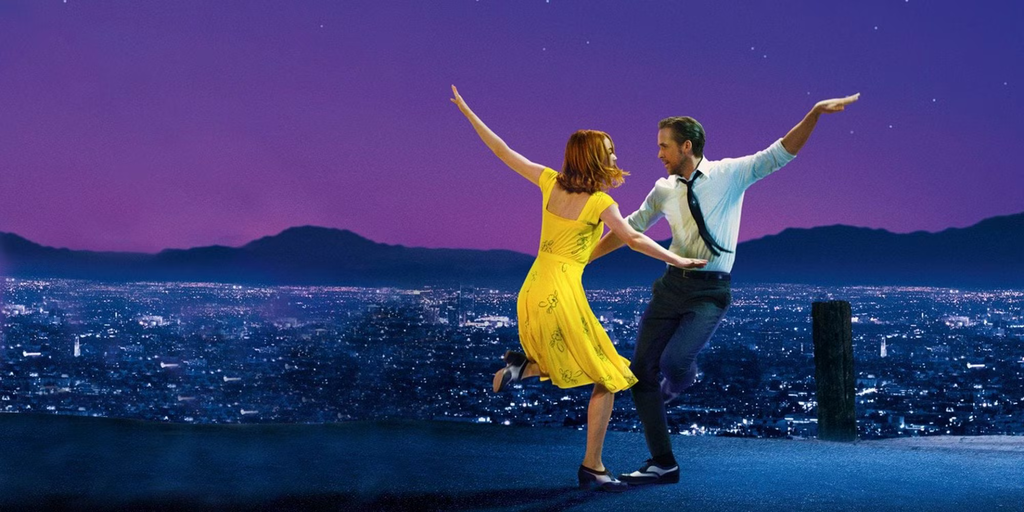
Finally, La La Land (2016) blends romance with ambition. Mia, an aspiring actress, and Sebastian, a jazz pianist, fall in love while chasing their dreams in Los Angeles. Their relationship is tender and genuine, but success pulls them in different directions. The film’s dazzling musical numbers and bittersweet ending capture a difficult truth: sometimes you love someone, but you cannot build a life together. La La Land is a romance for people who have chosen their dreams and still wonder about the road not taken.
These five films show that romance is not one feeling but many. It can be sacrifice, conversation, restraint, memory, or ambition. What they share is honesty about the human heart. Whether they end in reunion or separation, they remind us that love is worth watching, living, and remembering.