Nikon has undergone one of the most dramatic transformations in the camera industry. Once a DSLR stalwart, the company has poured nearly all of its engineering resources into the mirrorless Z system, and in 2026 that bet has clearly paid off. The result is a coherent, future-proof lineup that spans from budget-friendly APS-C bodies to professional flagship cameras capable of 8K video and 120fps burst shooting.

The Z Mount Advantage
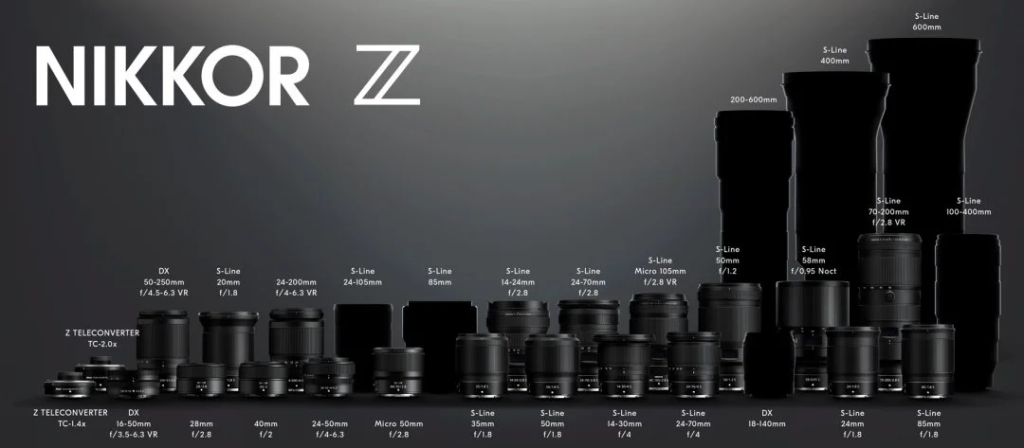
At the heart of every Nikon mirrorless camera is the Z mount itself. With a 55mm inner diameter and a 16mm flange focal distance, it is the largest and shortest full-frame mirrorless mount in production. This design allows optical engineers to create lenses with apertures as wide as f/0.95 and exceptionally clean edge-to-edge sharpness. The NIKKOR Z lens catalogue now exceeds 50 lenses, including the professional S-Line with full weather sealing. For photographers upgrading from Nikon DSLRs, the FTZ II adapter provides full autofocus and stabilization compatibility with hundreds of existing F-mount lenses, weighing only 125g.

A Camera for Every Photographer
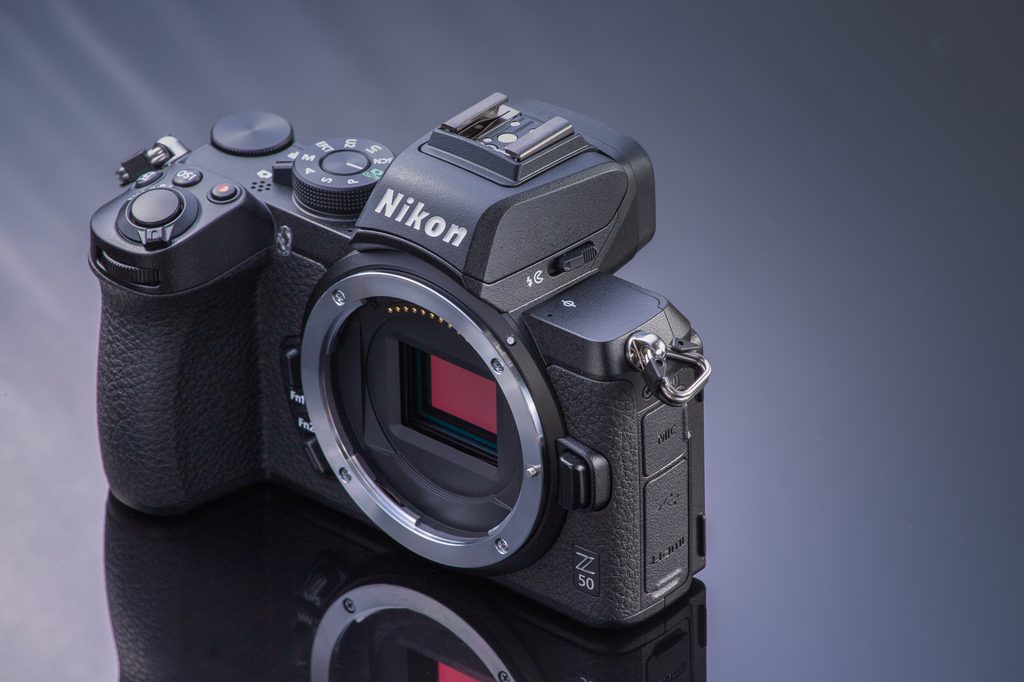
Nikon’s 2026 lineup is unusually well-structured. The Z5II is the entry point to full-frame, offering a 24.5MP BSI sensor, EXPEED 7 processor, and subject-detection autofocus inherited from the Z9, all for around $1,600. For hybrid shooters who need speed, the Z6III introduces a world-first partially stacked sensor, delivering 20fps RAW bursts and 4K 120p video. The Zf wraps modern internals in a retro body that reviewers consistently describe as one of the most enjoyable cameras Nikon has ever made. At the top, the Z8 and Z9 share a 45.7MP stacked sensor and 8K video capability, with the Z8 offering the same internals in a body roughly 30% smaller. For APS-C shooters, the Z50II delivers strong autofocus and image quality at around $906.
Who Should Choose Nikon
Nikon’s greatest strength in 2026 is its coherent ecosystem. Every camera from the Z50II to the Z9 shares the EXPEED 7 processor and the same subject-detection algorithms, meaning autofocus performance is consistent regardless of budget. This makes the system particularly attractive to photographers who want to start affordable and grow into professional bodies without relearning the interface. Wildlife and sports shooters benefit from Nikon’s class-leading bird and animal detection, while landscape photographers appreciate the 45.7MP resolution and robust weather sealing of the Z8. The main trade-off is the APS-C lens selection, which remains narrower than Sony’s E-mount, though the full-frame Z lineup is now among the most complete in the industry.
The Bottom Line
Nikon in 2026 is no longer playing catch-up. The Z system offers a rare combination of optical excellence, consistent autofocus performance, and a clear upgrade path from beginner to professional. Whether you are a DSLR holdout considering the FTZ II route or a new buyer looking for a full-frame camera that will serve you for years, Nikon’s current lineup deserves serious consideration.
《Nikon Cameras in 2026: A Complete Guide to the Z System》有1条评论