Huawei’s 2026 product lineup is less about a single hero device and more about a coordinated ecosystem. At its September 7 launch event in Guangzhou, the company unveiled the Mate XT 2 tri-fold smartphone, HarmonyOS 7, the Pura X Max, the MatePad Air, the Watch 6 series, and the FreeBuds 7. Together, they show a company betting on integration rather than isolation.
Mate XT 2: The Tri-Fold, Refined
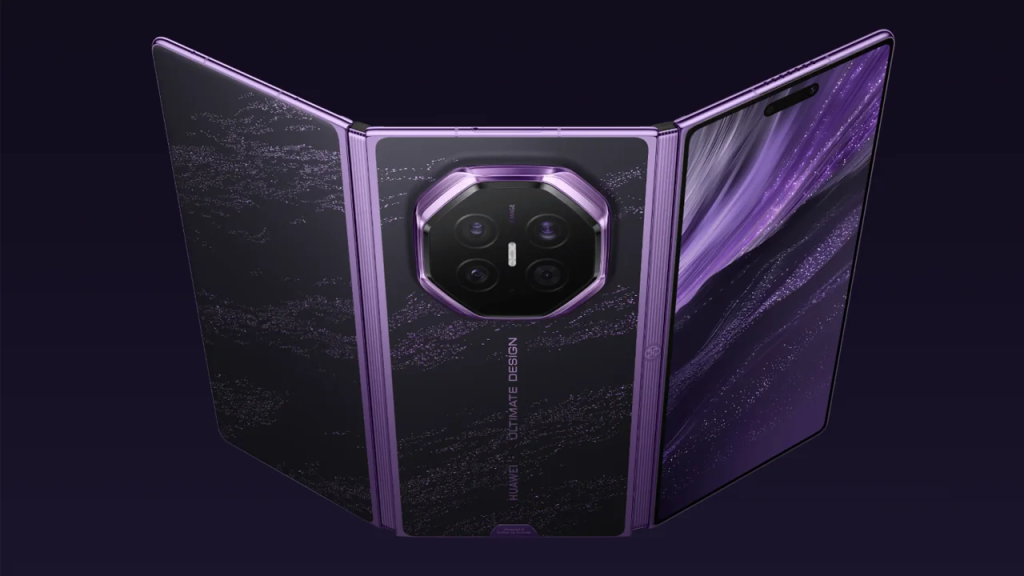
The Mate XT 2 Masterpiece is Huawei’s third-generation tri-fold phone. It introduces the Kirin 9050 Pro, the industry’s first high-performance chip to use “logic-folding” technology, which stacks logic units in layered structures to shorten signal paths and reduce latency. Huawei claims a 42% overall performance improvement over the previous generation. The device also supports IP58/59 dust and water resistance, a first for a tri-fold. Pricing starts at ¥19,999, unchanged from the previous model.
Pura X Max: The “Wide Fold” Concept
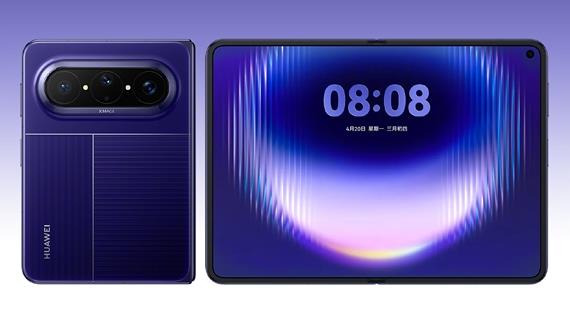
The Pura X Max, launched in April, is a different take on foldables. Its 7.7-inch inner display and 5.4-inch outer screen are both optimized for wide-format content, from long videos to e-books and mobile office work. It runs a companion AI system that can identify on-screen content, extract key points from documents, and surface relevant ticket or order information from chat logs. It starts at ¥10,999.
Mate 80 Pro: Durability and Camera First
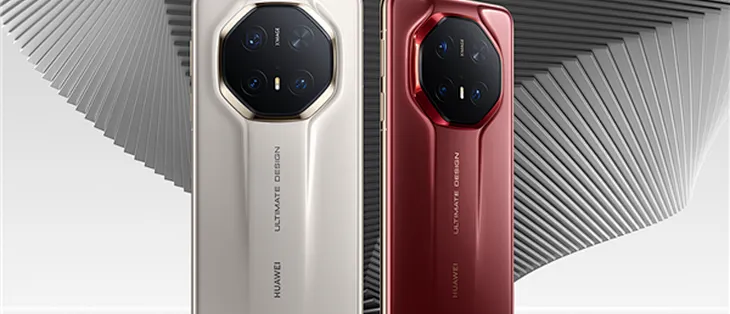
For those who prefer a conventional flagship, the Mate 80 Pro focuses on endurance and imaging. It carries IP68 and IP69 ratings, meaning protection against dust, 6-meter water submersion, high-pressure jets, and temperatures from -20°C to 80°C. The 6.75-inch LTPO OLED display peaks at 3,000 nits, and the camera system is built around Huawei’s signature Dual Space Ring module. Reviewers describe it as a phone that “outshoots” its price class, though its AnTuTu scores trail Snapdragon 8 Gen 4 flagships.
Wearables and Audio
The Watch Ultimate 2 added a Snow White edition and a Descente collaboration at ¥6,999, featuring an amorphous zirconium alloy case and a 1.5-inch LTPO 2.0 display with 3,500-nit peak brightness. The FreeBuds 7 bring semi-in-ear active noise cancellation, 42-hour battery life, and cross-platform finding support for HarmonyOS, iOS, and Android, at ¥999. The MatePad Air continues the thin-and-light formula at 509g and 5.3mm, with a 12-inch OLED paper-matte display starting at ¥4,499.
The Bottom Line
Huawei’s 2026 strategy is clear: lead on form factor and integration, not benchmark scores. The tri-fold and wide-fold devices push physical boundaries, HarmonyOS 7 ties them together with system-level AI, and the wearables and audio products complete a cohesive ecosystem. The trade-off is price and availability—most of these devices remain China-first, and the flagship chips still lag in raw benchmark performance. For users outside China, the more relevant question is whether Huawei’s ecosystem vision is compelling enough to justify importing or waiting.