Apple’s September 2026 event was not just another product refresh. It was the first keynote led by John Ternus since he became CEO on September 1, and it marked the company’s entry into two long-anticipated categories: foldable phones and on-device generative AI. The lineup unveiled at the “Surprise and Shine” event spans four product families, each tied together by a single ambition: making Apple Intelligence feel native rather than bolted on.
iPhone Duo: Apple’s First Foldable

The headline announcement was the iPhone Duo, Apple’s first foldable smartphone. It uses a book-style hinge and opens into a 7.76-inch interior display, with a 5.49-inch cover screen for one-handed use. Apple equipped it with the same A20 Pro processor as the Pro models, a dual 48MP rear camera, front-facing cameras on both screens, and support for Apple Pencil and MagSafe charging. Ternus framed it as a device that “redefines how a foldable phone is used,” positioning the unfolded screen as an iPad-like canvas. It arrives later than the rest of the lineup, with pre-orders opening October 16 and retail availability on October 23.
iPhone 18 Pro and Pro Max: The 2nm Leap
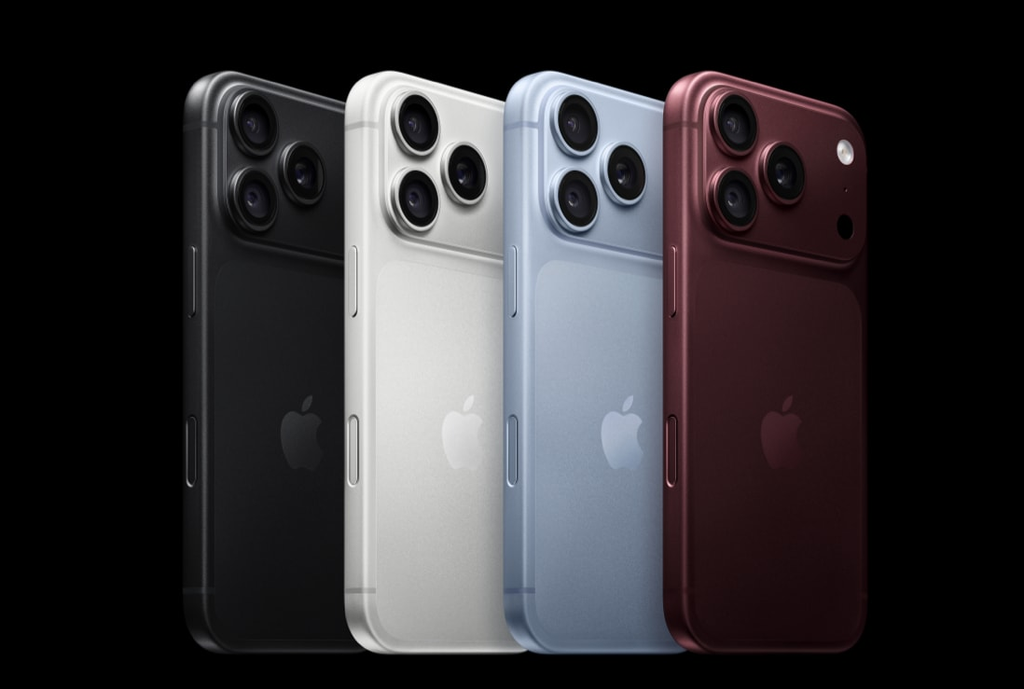
The conventional flagships bring the most meaningful hardware upgrade in years. Both models run the A20 Pro, Apple’s first 2-nanometer chip, with a 7-core GPU Apple says is up to 40% faster than the previous generation and a dual 16-core Neural Engine. The camera system introduces a variable aperture on the 48MP main sensor, adjusting from f/1.48 in low light to narrower settings for greater depth of field—a first for iPhone. Apple also added Reference Image, which cryptographically signs sensor data so photos can be verified as camera-captured rather than AI-generated. Battery life rises to 36 hours of video playback on the Pro and 45 hours on the Pro Max. Pricing starts at $1,199 for the Pro and $1,299 for the Pro Max, each with 256GB base storage.
Apple Watch Series 12 and Ultra 4: Health Sensing Rebuilt

The new watches center on a redesigned Health Sensing System. Apple claims the most accurate heart rate sensing in any wearable, with heart rate now measured every five seconds and HRV sampled up to 24 times more often than before. A new readiness score helps users understand recovery and stress. The Series 12 starts at $399 and the Ultra 4 at $799, with the S11 chip enabling new Audio Intelligence features like sound recognition for deaf and hard-of-hearing users.
AirPods 5: Noise Cancellation Goes Mainstream

AirPods 5 bring active noise cancellation to Apple’s cheapest earbuds for the first time, along with improved sound quality, more customizable ANC, and Siri AI integration including live translation. The base model starts at $129 with four hours of battery life; a $149 version adds five hours, on-earbud volume control, and a wireless charging case.
The Software Thread: Siri AI
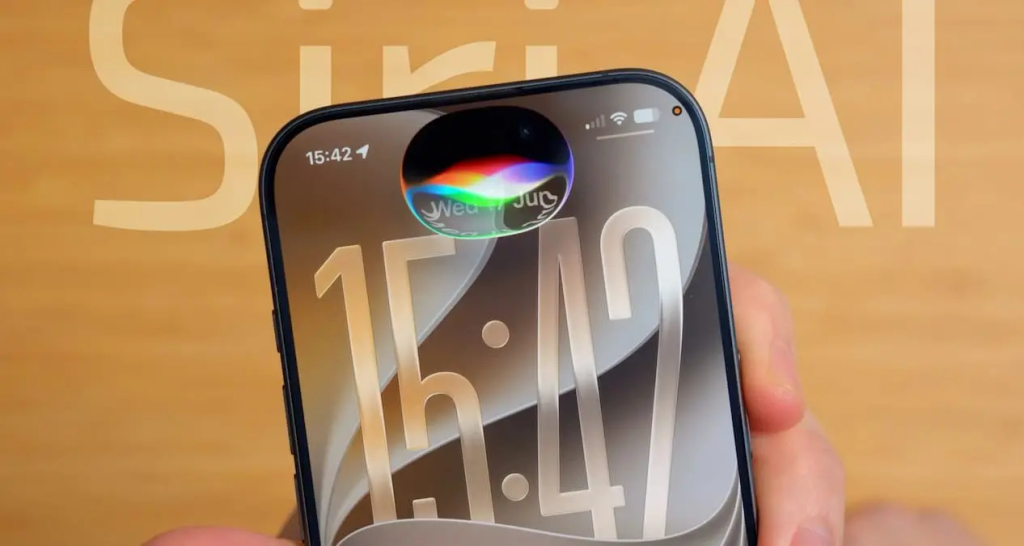
Tying the hardware together is iOS 27, arriving September 14, and the first beta of Siri AI—a rebuilt assistant with more personal, conversational interactions. It launches in English first, with additional languages following in October.
The Bottom Line
Apple’s 2026 lineup is aggressive. The iPhone Duo opens a new category, the 2nm A20 Pro sets a performance benchmark, and the health sensing on Apple Watch is genuinely differentiated. The trade-offs are price and availability: the Duo will not ship until late October, and the standard iPhone 18 is absent entirely, pushed to a separate spring launch. For enthusiasts, this is Apple’s most interesting year in a decade. For mainstream buyers, the value proposition depends on whether you need a foldable or a 2nm chip—or can wait for the models that do not.