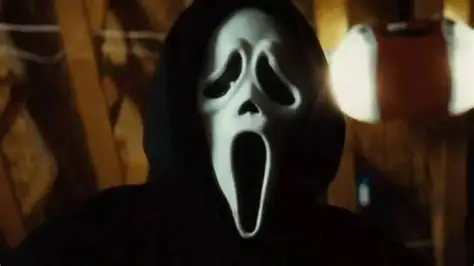
Horror is not only about jump scares. At its best, it explores grief, guilt, isolation, and the hidden fears of society. The following six films show how horror can be terrifying, intelligent, and unforgettable.
Psycho (1960): The Birth of Modern Horror
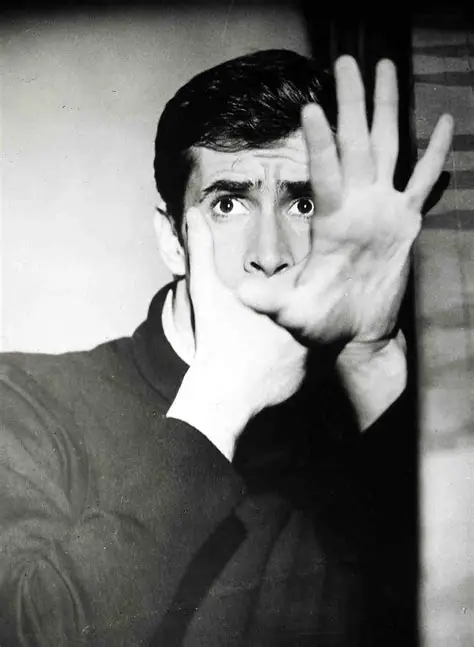
Alfred Hitchcock’s Psycho changed cinema forever. Marion Crane checks into the Bates Motel and meets Norman Bates, a shy young man dominated by his mother. The famous shower scene shocked audiences and proved that horror could happen in broad daylight. What makes Psycho endure is not just the violence, but the psychological tension. Norman is frightening because he seems ordinary—and that is exactly the point.
The Exorcist (1973): Faith Under Attack
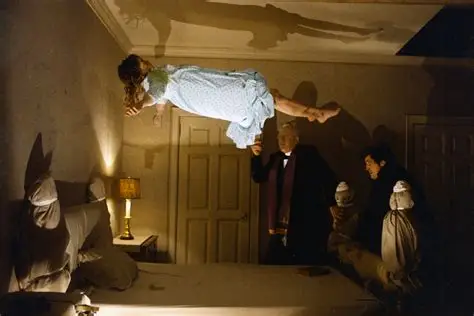
The Exorcist remains one of the most disturbing horror films ever made. When a young girl is possessed by a demon, two priests attempt to save her. The film uses body horror, profanity, and religious imagery to create an atmosphere of spiritual dread. Yet beneath the shocks lies a serious question: what happens when faith meets pure evil? It is a film that terrifies both the body and the soul.
Halloween (1978): Evil Comes Home
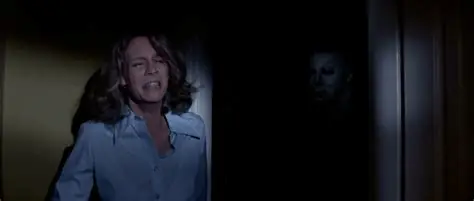
John Carpenter’s Halloween perfected the slasher formula. Michael Myers escapes from a mental hospital and returns to his hometown to stalk teenagers on Halloween night. The film is simple, suspenseful, and almost bloodless compared with later imitators. Its real horror is the idea that evil can appear anywhere—even in a quiet suburban neighborhood. The haunting music alone is enough to raise tension.
The Shining (1980): Madness in Isolation
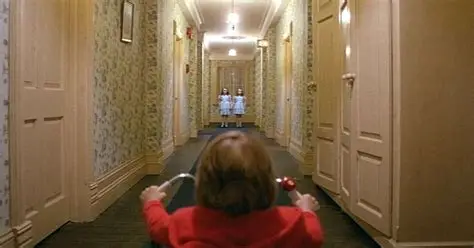
Stanley Kubrick’s The Shining follows Jack Torrance, a writer who takes a winter caretaker job at the isolated Overlook Hotel. As snow traps his family inside, Jack descends into madness. The film is less about ghosts than about alcoholism, abuse, and psychological collapse. Its endless corridors, disturbing imagery, and unforgettable performances make it a nightmare you cannot look away from.
Get Out (2017): Social Horror at Its Sharpest
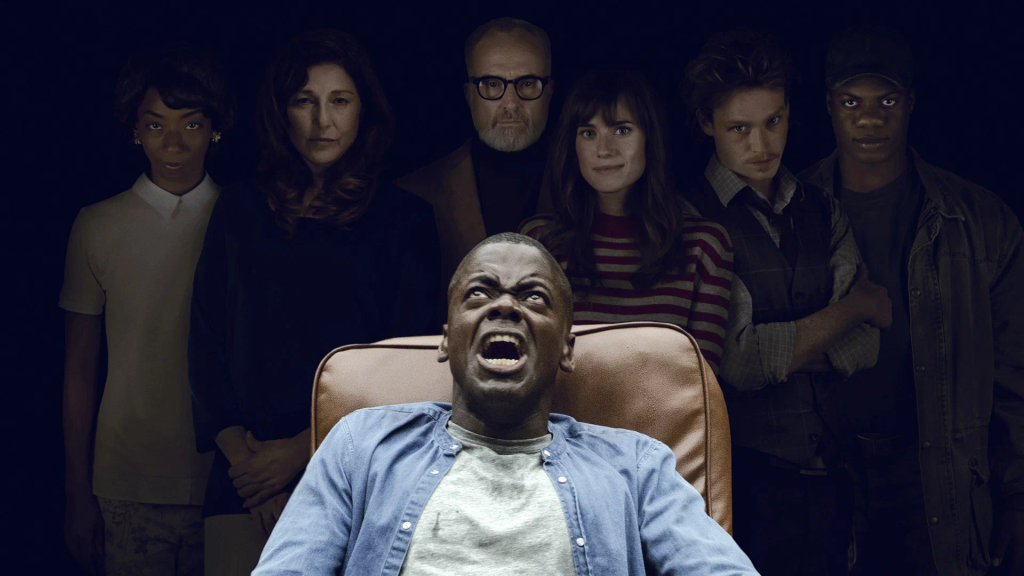
Jordan Peele’s Get Out turned social commentary into horror. Chris, a Black photographer, visits his white girlfriend’s family for the weekend. What begins as awkward racism becomes something far more sinister. The film is funny, tense, and deeply angry. It shows that the most frightening monsters are not always supernatural; sometimes they are polite, smiling, and sitting across the dinner table.
Hereditary (2018): Grief Becomes a Curse
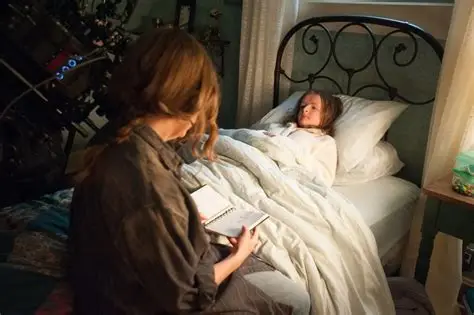
Hereditary follows a family unraveling after a grandmother’s death. As secrets emerge, grief turns into something demonic. Ari Aster’s film is slow, dread-filled, and emotionally brutal. It is not just about a haunted house; it is about inherited trauma, mental illness, and the fear that we cannot escape our own blood. The final act is shocking, but the real horror has been building all along.
These six films prove that horror can be many things: a slasher, a ghost story, a psychological study, or a social mirror. They do not simply scare us. They make us think about what we fear and why. That is why the best horror films stay with us long after the screen goes dark.