The Garmin Forerunner 255 was released in 2022, but in 2026 it remains one of the best value GPS running watches on the market. With accurate tracking, advanced training metrics, and multi-band GNSS, it offers many features found in newer, more expensive models—without the premium price. If you are a runner who cares more about data than flashy screens, the Forerunner 255 deserves serious consideration.
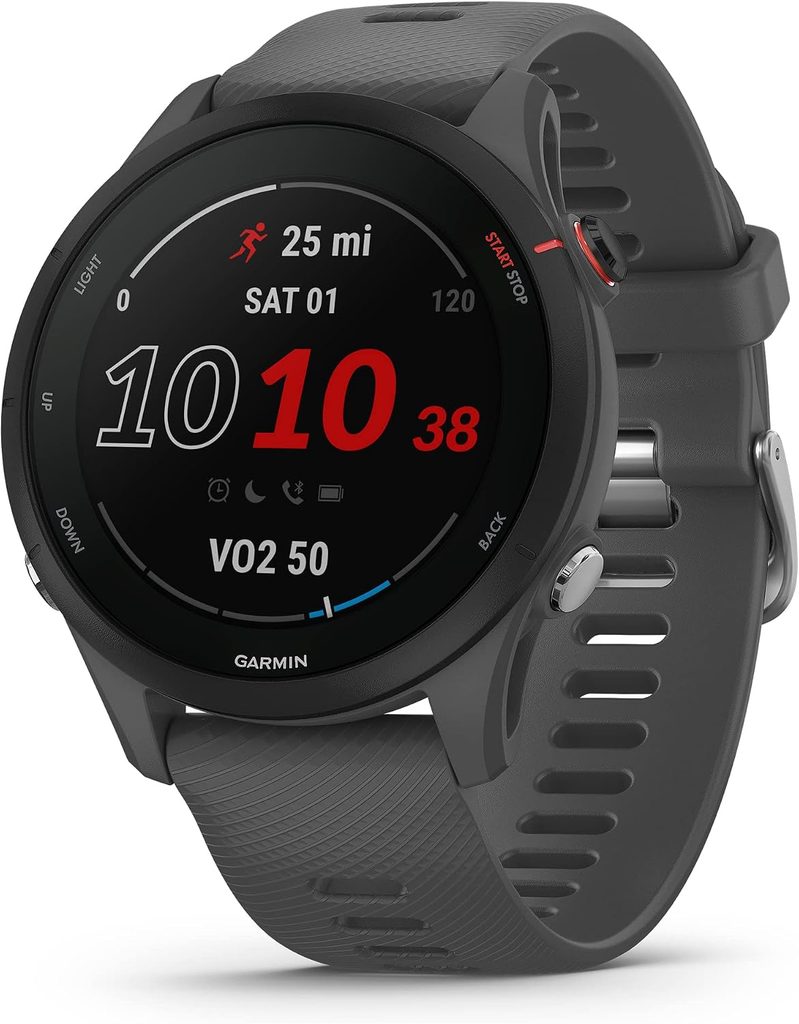
What the Forerunner 255 Offers
The Forerunner 255 is a lightweight GPS smartwatch built for runners and triathletes. It includes a 1.3-inch always-on MIP display, physical buttons, and a comfortable 46mm case. The standard model tracks running, cycling, swimming, and more, while the Music version adds offline music storage. Key features include wrist-based heart rate, pulse oximetry, HRV status, sleep tracking, and Body Battery energy monitoring. For training, it provides race predictions, daily suggested workouts, training load, recovery time, and a race widget. The multi-band GNSS mode improves GPS accuracy in challenging environments like cities or trails.
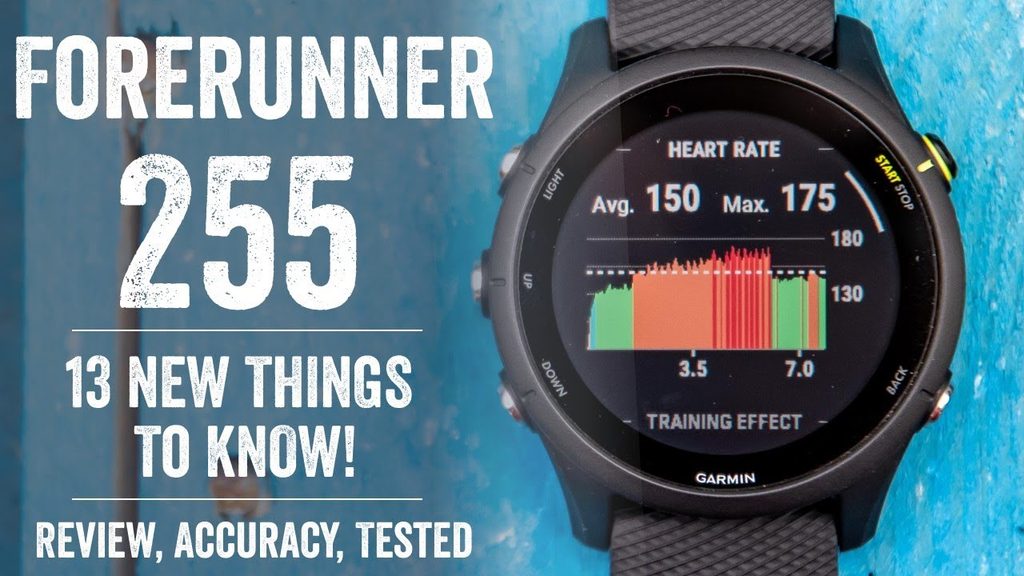
The Pros
The Forerunner 255 excels at the basics. GPS accuracy is excellent, especially with multi-band enabled, and heart rate tracking is reliable for steady runs. Battery life is another strength: up to 14 days in smartwatch mode and around 30 hours in GPS mode. The watch is light enough to wear 24/7, and the physical buttons work well with sweaty hands. Garmin’s training ecosystem is deep and genuinely useful—daily suggested workouts adapt to your fitness and recovery, helping you avoid overtraining. Compared with the newer Forerunner 265, the 255 lacks an AMOLED touchscreen, but it costs significantly less. For many runners, that trade-off is worth it. If you want to check current pricing and availability, you can see the latest deal here.
The Cons
The biggest compromise is the display. The MIP screen is easy to read in sunlight and saves battery, but it looks dated next to AMOLED rivals. There is no touchscreen, so you navigate entirely with buttons. The plastic bezel and resin case feel durable but not premium. Navigation features are limited compared to Garmin’s higher-end models—there are no full-color maps, only breadcrumb trails. The Music version costs extra, and some users find the Garmin Connect app overwhelming at first.
Who Should Buy It
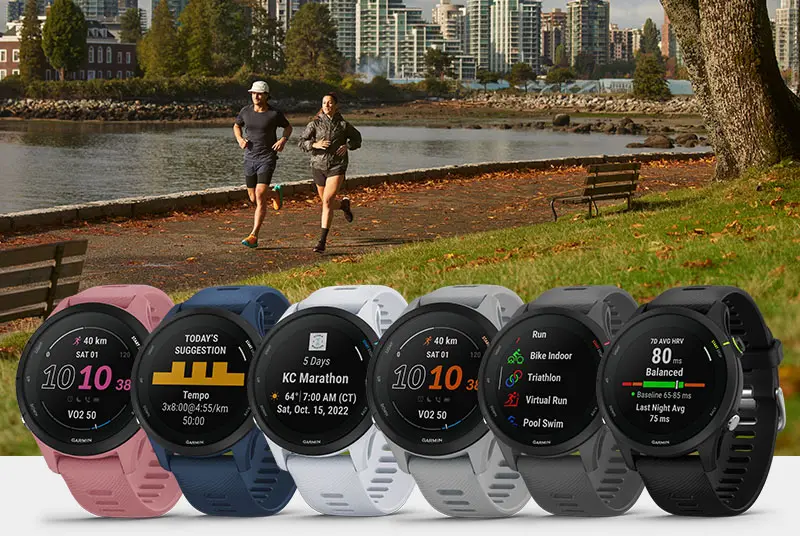
The Forerunner 255 is ideal for serious runners, triathletes, and fitness enthusiasts who want accurate data and long battery life without paying for a flagship. It suits users upgrading from a basic fitness tracker and those who prefer buttons over touchscreens. It is less ideal for anyone who wants a smartwatch for daily wear with a bright AMOLED display, or for hikers who need full topographic maps.
The Bottom Line
In 2026, the Garmin Forerunner 255 remains a smart purchase. It delivers core running metrics, reliable GPS, and excellent battery life at a price that undercuts newer models. The lack of a touchscreen and AMOLED display is the main trade-off, but for data-driven runners, those are minor sacrifices. If you want a dependable training partner that focuses on performance over polish, the Forerunner 255 is still one of the best choices available.
Disclosure: This article contains affiliate links. If you purchase through them, we may earn a commission at no extra cost to you.
《Garmin Forerunner 255 Review: Still a Smart Choice for Runners in 2026?》有1条评论