Garmin Forerunner 265
Upgrade Your Running Experience Today
For many runners, Garmin is one of the first brands that comes to mind when choosing a professional sports watch. The Forerunner series has built a strong reputation among runners because of its accurate tracking, detailed training data, and reliable performance.
When Garmin released the Forerunner 265, many runners were surprised. The previous generation Forerunner 255 had been on the market for less than a year, so the quick update naturally raised a question: is the Forerunner 265 a real upgrade, or just a minor refresh?
After using it for daily training, running sessions, and recovery tracking, my feeling is that the Forerunner 265 is not just an upgrade in specifications. It changes the overall experience of using a running watch, especially because of one major improvement — the AMOLED display.
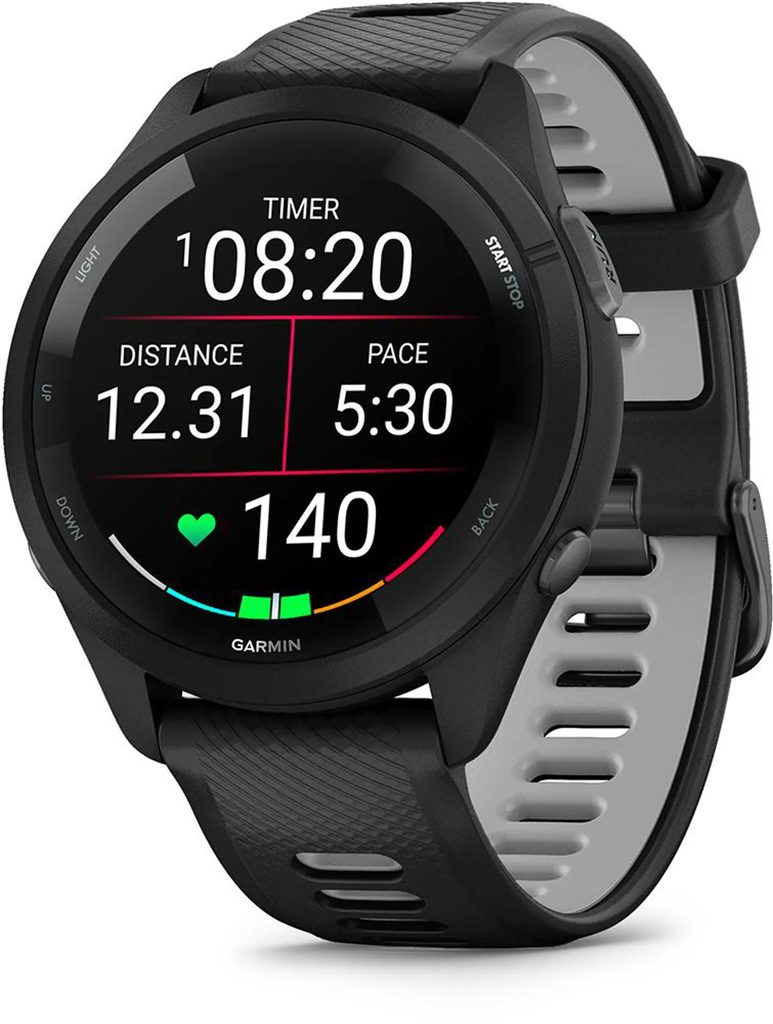
Garmin Forerunner 265
✔ AMOLED Color Display
✔ Advanced Running Metrics
✔ Training Readiness
✔ GPS Multi-Sport Tracking
The Biggest Change: AMOLED Display Makes a Huge Difference
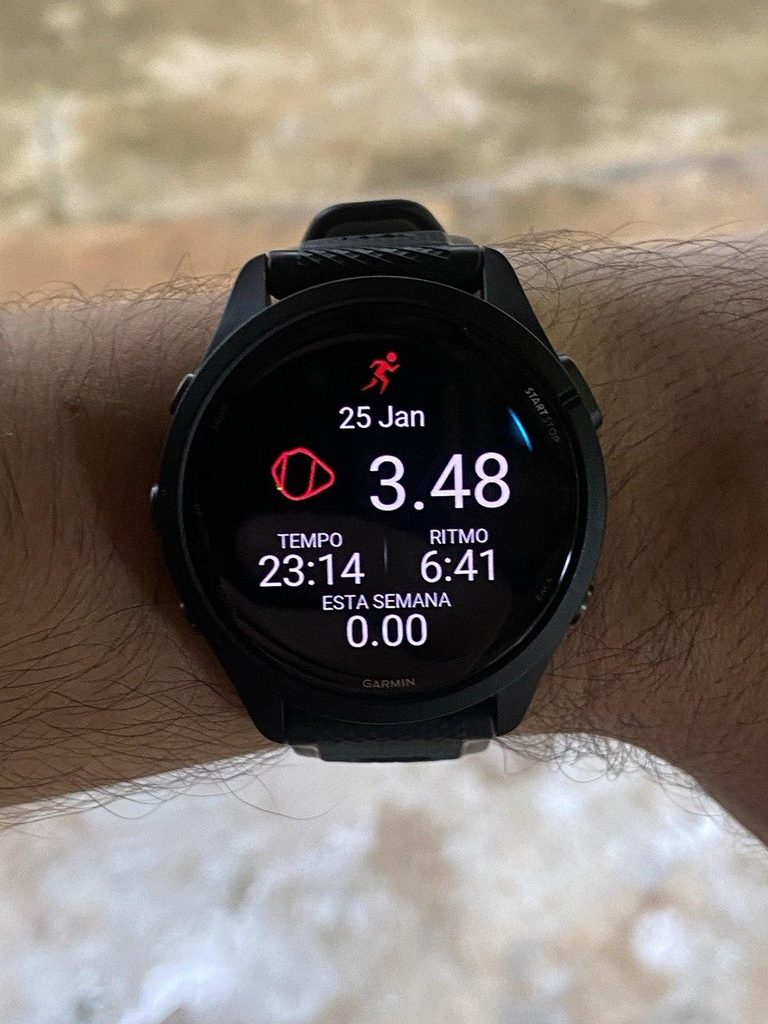
The first thing I noticed when putting on the Forerunner 265 was the screen.
Garmin’s previous running watches were already excellent in terms of functionality, but the display experience was always more focused on practicality rather than visual appeal. The 265 completely changes that.
The 1.3-inch AMOLED screen with 416 × 416 resolution looks much closer to a smartphone display. Colors are brighter, text is sharper, and complex training data becomes much easier to read.
Personally, I think the biggest improvement appears during evening runs. In low-light environments, the information on the watch is much clearer, and I no longer need to carefully adjust my wrist angle to read pace or heart rate data.
The new touchscreen experience is also a welcome upgrade. Garmin keeps its classic five-button control system, but adding touch navigation makes daily operation much smoother. During workouts, I still prefer using physical buttons because they are more reliable when running, but for checking menus, maps, and settings, the touchscreen feels much more convenient.
Small details also show Garmin’s attention to design. The redesigned buttons feel easier to press, and the new two-tone silicone strap is more comfortable during long training sessions. After several hours of wearing, the watch still feels lightweight and breathable.
Battery life is always one of the most important factors for a running watch.
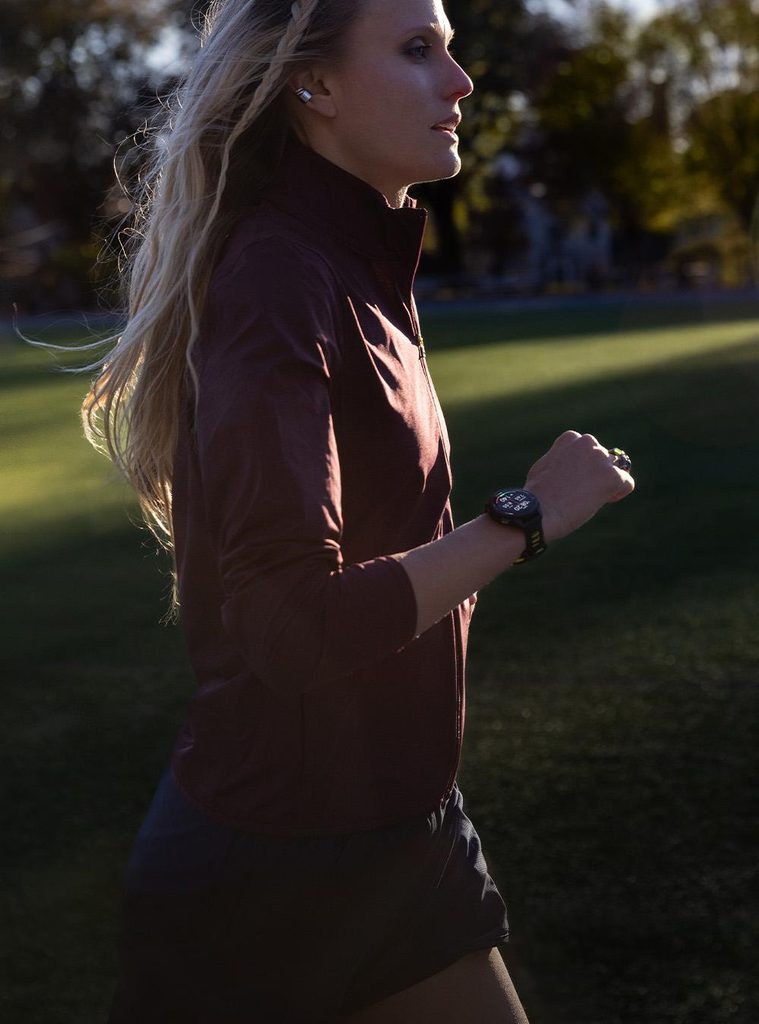
Garmin claims the Forerunner 265 can last around 13 days in smartwatch mode and up to 20 hours with GPS tracking. In my own test, the actual battery life was slightly shorter.
Starting from 100% battery, I used the watch normally with daily wear, sleep tracking, and running activities. During the test period, I completed about 58 km of running, including a 29 km long-distance session. The watch lasted approximately 9 days and 20 hours before shutting down.
Compared with the Forerunner 255, the battery consumption was higher. During long GPS activities, the AMOLED display clearly uses more power.
However, I personally think this is a reasonable trade-off. The brighter and more beautiful screen improves the daily experience significantly. For normal training, charging once every week or so is still completely acceptable.
The fast charging feature is another practical improvement. A short charging session can quickly restore enough battery for daily activities.
Smarter Training Features That Actually Help
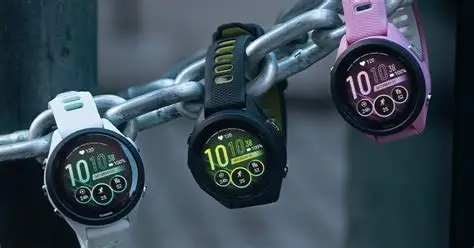
For me, the biggest value of Garmin watches is not only recording distance and pace, but helping me understand my training condition.
The Forerunner 265 introduces Training Readiness, which combines sleep quality, HRV status, recovery, stress, and training load to provide suggestions about whether my body is ready for hard training.
After long runs, I found this feature especially useful. Instead of simply following a fixed training plan, I can adjust my workout intensity based on my actual recovery condition.
Another feature I really appreciate is Wrist-Based Running Dynamics. Previously, runners often needed additional sensors to collect advanced running data. With the 265, many metrics can be measured directly from the watch, including cadence, stride length, vertical ratio, vertical oscillation, and ground contact time.
For beginners, these numbers can help improve running form. For experienced runners, they provide useful information for analyzing efficiency and making small improvements.
Final Thoughts: A More Complete Running Experience
After using the Garmin Forerunner 265, I feel it represents a different direction for Garmin’s running watches.
It keeps the professional training features Garmin is known for while finally adding a display experience that feel
Ready to upgrade your training?

Get Garmin Forerunner 265 at the best available price.
[Buy Now]
Disclosure: This article contains affiliate links. If you purchase through them, we may earn a commission at no extra cost to you.
《Garmin Forerunner 265 Review: The Running Watch That Changed My Daily Training Experience》有1条评论